

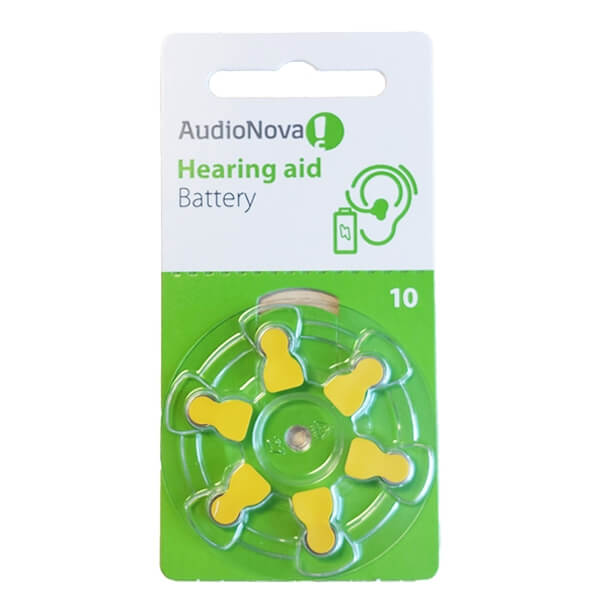
Yellow hearing aid batteries - size 10
The smallest battery, often for in-the-ear (ITE) or completely-in-canal (CIC) hearing aids.
Shop now
Discover the importance of high-quality hearing aid batteries for uninterrupted hearing. Making the right battery choice is the first step to ensuring your hearing aids function at their best.
This article contains everything you need to know about hearing aid batteries, including how they work and the pros and cons, so you can feel confident and informed when making your decision.

In the past, mercury-zinc batteries were commonly used for hearing aids. Nowadays, zinc-air batteries have become the preferred choice due to their eco-friendliness and steady voltage. These batteries are designed with a special protective foil covering the openings to preserve their power.
Before using a zinc-air battery in your hearing aid, it's important to remove this protective foil,as the battery becomes active once the foil is removed. This means there may be a short delay before it powers your hearing aid.
Here's how a zinc-air hearing aid battery works:
1. Small openings on the battery's surface allow air to enter.
2. This air interacts with the zinc inside the battery, creating zinc oxide.
3. This chemical process generates the battery's energy.
It’s important to remember to only peel off that protective foil when you're all set to use the battery in your hearing aid.
Rechargeable hearing aid batteries have become increasingly popular, offering a convenient and eco-friendly alternative to traditional disposable batteries. These batteries are typically lithium-ion or silver-zinc, known for their durability and longevity.
Disposable hearing aid batteries have been a trusted power source for hearing aids for many years. These batteries come in zinc-air variations, each identified by a distinct colour code.
The choice between disposable and rechargeable hearing aid batteries ultimately depends on individual preferences, lifestyle, and the type of hearing aid. Each type offers distinct advantages and trade-offs, allowing people to select the best fit for their needs.
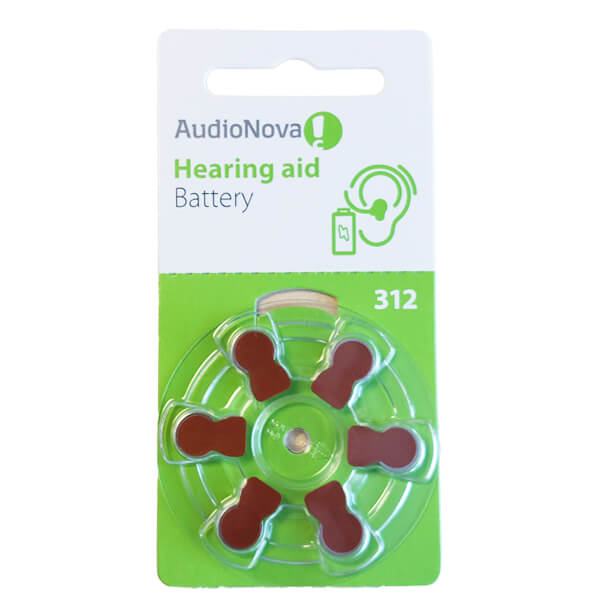
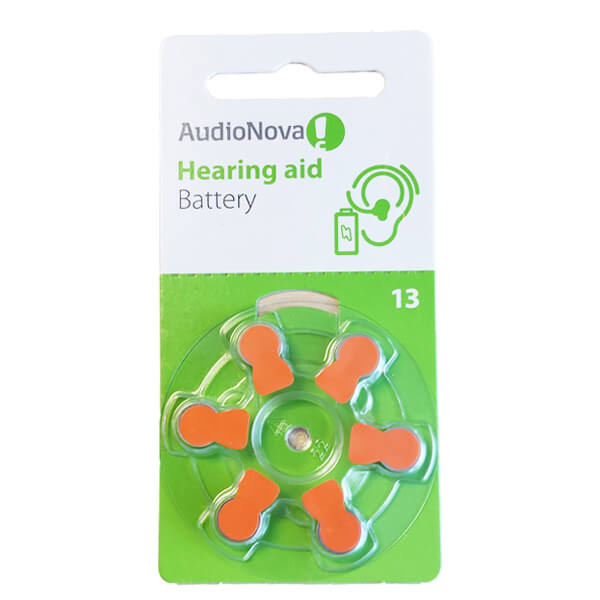
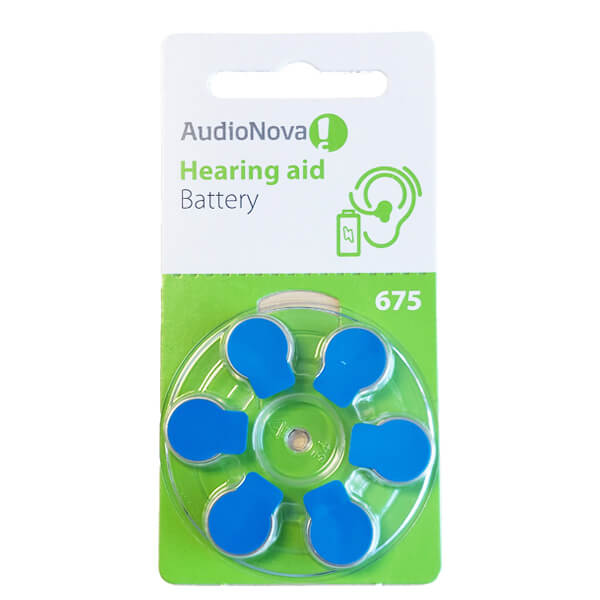
Hearing aid batteries come in different colours to represent various sizes and power levels. The colour codes generally follow this standard:
Changing the batteries in your hearing aids is a straightforward process that ensures your devices function optimally. To help you through this task, we've outlined the steps for you:
1. Peel off the protective foil from the new batteries.
2. Wait about two minutes for the batteries to activate fully.
3. Insert the batteries correctly, matching the plus (+) and minus (-) signs inside the battery compartment.
4. If your hearing aid doesn't work with the new battery, check for dirt in the compartment or try a different battery.
5. If issues persist, consult a hearing care professional for assistance.
By following these simple guidelines, you can efficiently change the batteries in your hearing aids and ensure they continue to help you hear clearly and comfortably.
This depends on the type of hearing aids you have and the type of batteries they use, as well as how long you wear your hearing aids. A size 10 battery in a hearing aid with lots of advanced features might last between three and five days, whilst a larger, size 13 battery in a hearing aid with simpler functions could last for up to three weeks.
Ensuring the safety of your loved ones is above all when it comes to storing hearing aid batteries. These small but essential power sources can pose risks, especially to young children or those with additional vulnerabilities.
To prevent accidents, always store hearing aid batteries securely and out of reach in households with children under five or individuals facing heightened risks. Accidental ingestion of a battery should be treated as a medical emergency. Remember that hearing aid batteries are not for ingestion and should only be handled by a responsible adult. We recommend keeping them safely stored to promote a secure environment in your home.
Used batteries shouldn’t be thrown away with normal rubbish or recycling. Instead, take them to your local battery recycling point, these can often be found at supermarkets.
Hearing aids are invaluable devices, and their performance often depends on the condition of their batteries.
To help you keep your hearing aid batteries healthy and long-lasting, we've put together a practical checklist. By following these steps, you can ensure that your batteries deliver optimal performance and reliability.
• Proper storage: store batteries in a cool, dry place away from direct sunlight and extreme temperatures, as heat can affect their performance.
• Use the oldest first: if you have multiple batteries, use the oldest ones first to ensure they don't expire before use.
• Keep them sealed: store batteries in their original packaging until you're ready to use them to prevent exposure to air, which can reduce their lifespan.
• Wash hands: clean hands before handling batteries, as oil and dirt can affect their conductivity.
• Open daily: If you're not using your hearing aids for an extended period, open the battery compartment to prevent moisture buildup, but remember to turn them off.
• Avoid refrigeration: contrary to some beliefs, refrigeration doesn't extend battery life, as it can introduce moisture.
• Keep them dry: if batteries get wet, discard them; water can damage them.
• Store spares: always have spare batteries with you, especially when travelling.
• Check expiry dates: ensure your batteries are within their expiration date for optimal performance.
• Dispose properly: when replacing batteries, dispose of old ones safely following local regulations.